How the Federal Reserve Impacts Your Investment Portfolio
If you are investing in stocks, bonds, or real estate, the decisions made by the Federal Reserve directly impact your investment portfolio. Interest rates, inflation, monetary policy, and market liquidity all stem from the Fed’s actions. Whether you are a business owner or an individual investor, understanding how the Federal Reserve operates can help you make better financial decisions, manage risk, and position your portfolio for long term success.
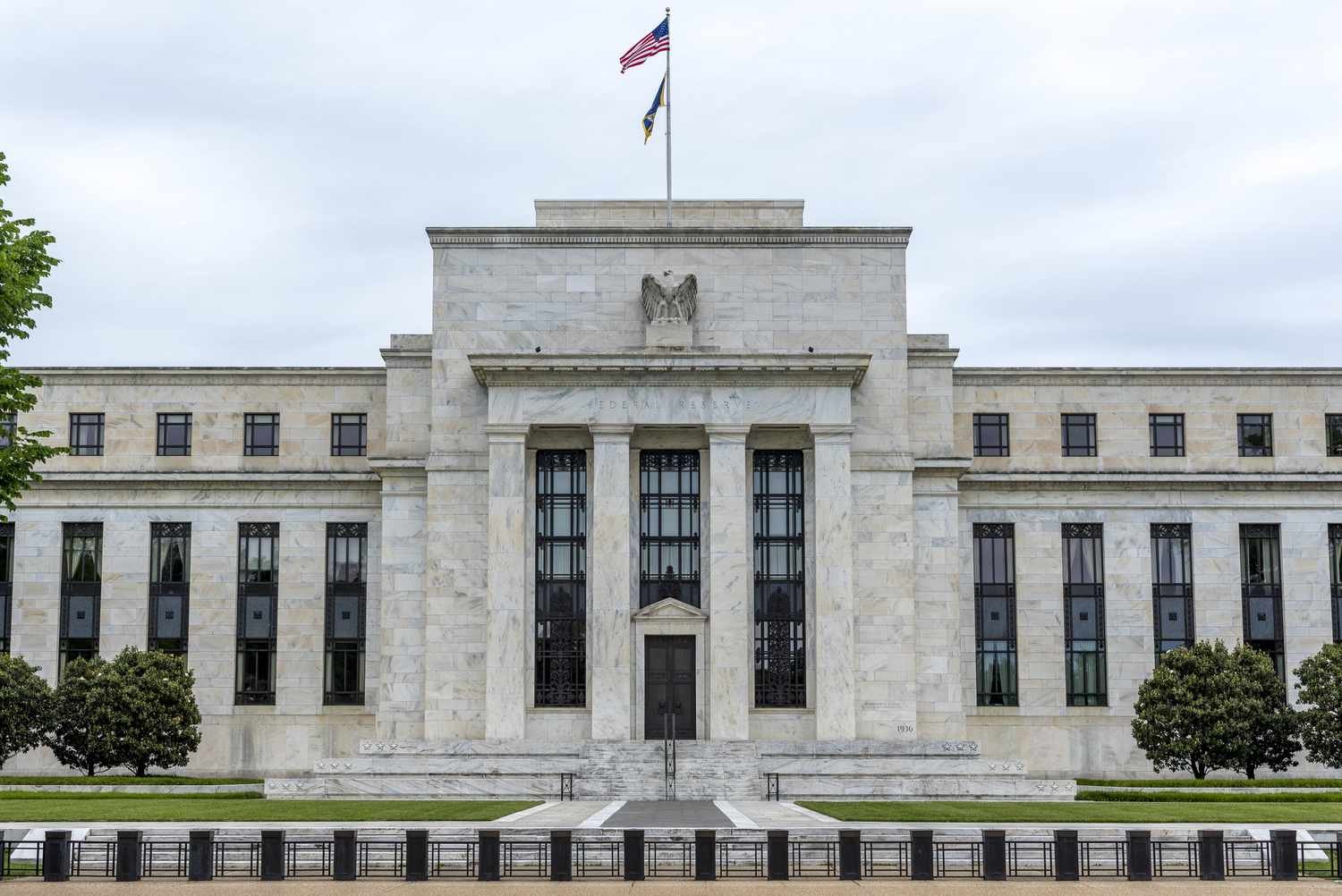
What Is the Federal Reserve?
The Federal Reserve, often called “the Fed,” is the central bank of the United States. Its primary responsibilities include:
Managing inflation
Promoting maximum employment
Stabilizing the financial system
Controlling interest rates through monetary policy
While this may sound abstract, these actions have very real consequences for your investments.
Interest Rates Drive Market Behavior
The most direct way the Federal Reserve impacts your portfolio is through interest rates.
When the Fed raises interest rates:
Borrowing becomes more expensive
Business expansion slows down
Stock market growth often moderates
Bond yields increase, but existing bond prices fall
When the Fed lowers interest rates:
Borrowing becomes cheaper
Businesses invest and expand
Stocks tend to rise
Bonds become less attractive compared to equities
For investors, this creates a constant shift in where capital flows. Growth stocks, for example, tend to perform better in low rate environments, while value stocks and fixed income can become more attractive when rates rise.
Inflation and Purchasing Power
The Federal Reserve closely monitors inflation and adjusts policy to keep it under control.
Inflation affects your portfolio in two major ways:
It erodes purchasing power
It changes asset performance
For example:
High inflation often benefits real assets like real estate and commodities
Low inflation tends to favor stocks and bonds
If inflation is rising faster than expected, your portfolio may lose real value even if it is growing on paper. This is why tax efficiency and real return strategies are critical, especially for business owners with significant cash flow.
Liquidity and Market Momentum
The Fed also influences how much money is flowing through the economy.
During periods of quantitative easing (injecting money into the system):
Markets tend to rise due to increased liquidity
Risk assets like stocks and crypto often perform well
During tightening cycles (removing liquidity):
Markets can become more volatile
Investors shift toward safer assets
Liquidity is often the hidden driver behind major bull and bear markets. Many investors focus only on earnings or headlines, but the availability of capital is just as important.
The Psychological Impact on Investors
The Federal Reserve does not just influence numbers. It influences behavior.
Markets are forward looking, meaning they react to expectations of Fed policy, not just the policy itself. A single statement from the Fed chairman can move markets significantly.
This creates:
Increased volatility around Fed announcements
Opportunities for disciplined investors
Risks for those reacting emotionally
Understanding this helps you avoid making short term decisions that hurt long term outcomes.
What This Means for Your Portfolio Strategy
For most investors, the goal is not to predict every move the Federal Reserve makes. It is to build a portfolio that can perform across different environments.
That includes:
Diversification across asset classes
A mix of growth and income investments
Strategic tax planning
Maintaining liquidity for opportunities
Business owners, in particular, need to think beyond just investments. Interest rates affect:
Business loans
Expansion decisions
Cash flow management
Exit valuations
Your personal portfolio and your business are more connected than most people realize.
Final Thoughts
The Federal Reserve is one of the most powerful forces behind market movement, yet many investors ignore it. You do not need to become an economist, but you do need to understand the basics.
If you can align your investment strategy with the realities of interest rates, inflation, and liquidity, you put yourself in a position to make smarter, more consistent decisions over time.
At Cool Wealth Management, we focus on helping business owners build portfolios that adapt to changing economic conditions while staying aligned with their long term goals.
