How the Federal Reserve Shapes the Economy Through Interest Rates
The Federal Reserve plays a critical role in the U.S. economy by influencing interest rates and managing the money supply. Through these tools, the Fed affects borrowing costs, consumer spending, business investment, and overall economic growth. When the Fed raises interest rates, borrowing becomes more expensive, slowing spending and cooling inflation. Conversely, when rates are lowered, borrowing is cheaper, encouraging spending and investment. By carefully adjusting these rates, the Federal Reserve helps stabilize the economy, aiming to balance growth with inflation control. Understanding the Fed’s actions is essential for investors, business owners, and anyone managing personal finances.
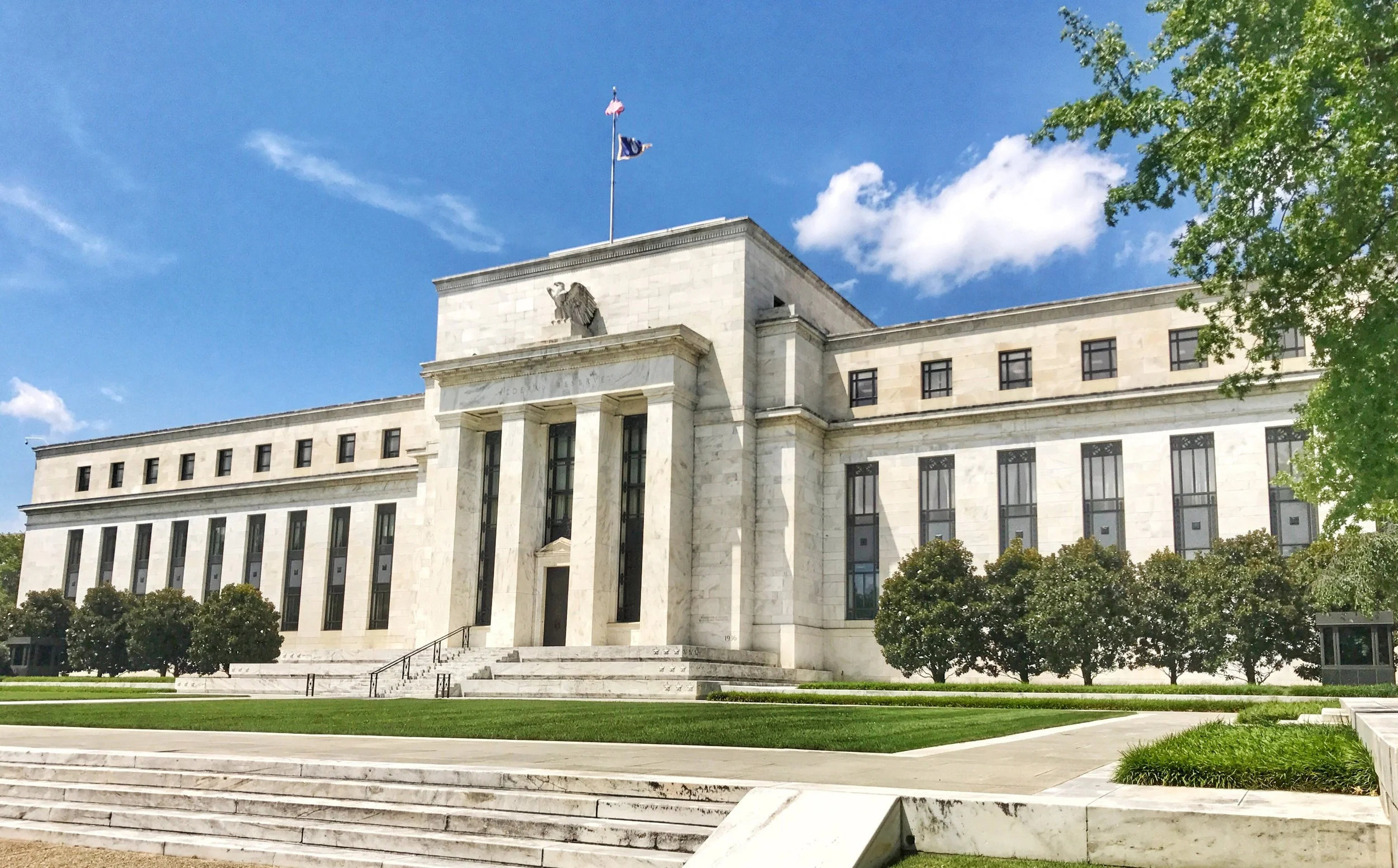
The Federal Reserve primarily influences the economy through two main mechanisms: the money supply and the federal funds rate. By controlling the amount of money circulating in the economy, the Fed can encourage or restrain lending and spending. For example, increasing the money supply lowers interest rates, making loans more accessible for individuals and businesses. This stimulates economic activity and can lead to higher employment and growth. On the other hand, reducing the money supply raises interest rates, discouraging excessive borrowing and helping prevent inflation from spiraling out of control.
Interest rates are the most visible tool of the Federal Reserve. They act as the price of money, determining how much it costs to borrow. Low rates make mortgages, business loans, and consumer credit cheaper, which can boost the housing market, business expansion, and personal consumption. High rates have the opposite effect, slowing economic activity but protecting against runaway inflation. Every decision the Fed makes ripples through stock markets, bond yields, mortgage rates, and even everyday purchases, illustrating just how interconnected monetary policy is with daily life.
For individuals and business owners, understanding the Fed’s influence can guide financial planning and investment decisions. When rates are expected to rise, it may be wise to lock in borrowing costs or adjust investment strategies to protect against market volatility. When rates are falling, opportunities to finance growth and increase investments become more attractive. By paying attention to the Federal Reserve’s actions, you can position yourself to make more informed choices and capitalize on the shifting economic landscape.
In summary, the Federal Reserve shapes the U.S. economy through its control of interest rates and the money supply. Its decisions affect borrowing costs, consumer behavior, business investment, and overall economic stability. Staying informed about these actions can help you manage your finances wisely, make smarter investment decisions, and better understand the broader economic environment.
